Why Does a Small Apartment Feel Even Smaller — And What Can You Actually Do About It?
You know that feeling when you walk into a tiny apartment and it just feels… suffocating ? Like the walls are two steps too close, the ceiling is sitting on your head, and there’s nowhere to breathe ? Yeah. I’ve been there. And honestly, it’s not always about square footage. A lot of it comes down to color and light – two things you can actually control without knocking down walls or spending a fortune.
Let’s talk about what really works.
Start With Light – Natural Light First
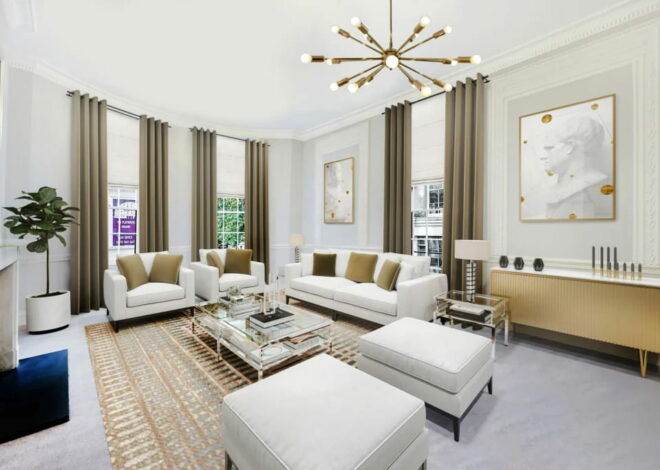
Before touching a single paint can, look at your windows. Seriously. If you’ve got curtains that eat up half the window frame, swap them out for something lighter, thinner – or better yet, hang them right up near the ceiling and as wide as possible. It tricks the eye into thinking the window is bigger than it is. I tried this in a 32m² studio once and the difference was almost embarrassing. Like, why hadn’t I done it sooner ?
Natural light is your number one ally in a small space. Don’t block it. Don’t filter it. Let it come in fully, especially in the morning. If you’re looking for a furnished apartment with good natural light – like those listed on locationappartement-marseille.com – you’ll notice that the ones that feel biggest are almost always the ones with unobstructed south or east-facing windows.
And if you don’t have much natural light ? Mirrors. Big ones. Not a gallery wall of tiny decorative frames – one large mirror, ideally placed opposite or adjacent to a window. It doubles the perceived depth of the room. It’s almost unfair how well it works.
Color : The Basics That Most People Get Wrong
Okay, here’s where things get a bit more nuanced. The classic advice is “paint everything white” – and yeah, white helps. But plain white can also feel cold, clinical, even kind of sad in a space without great light.
What actually works better ? Warm whites and very light warm neutrals. Think linen, chalk, soft ivory. These tones reflect light without making the room feel like a hospital corridor. Big difference in feeling, small difference in shade.
What you want to avoid is painting every wall a different color. I know some design accounts make that look cool – and maybe in a 90m² loft it is – but in a small apartment, it just creates visual barriers. Every color change signals “this is the end of this space.” You don’t want that.
The Monochromatic Trick That Interior Designers Actually Use
Here’s something that surprised me when I first really noticed it : the most visually spacious small apartments tend to use one dominant color family throughout. Walls, furniture, textiles – all in different shades of the same tone. Light beige sofa on light beige walls. Off-white shelves with linen cushions.
Why does it work ? Because the eye doesn’t stop. It just… flows through the room without anything interrupting it. The space reads as one continuous whole, not a series of small zones.
You can still add contrast – a darker wood floor, a plant, a dark lamp – but keep the base palette unified. It’s restraint that creates the illusion of space.
Vertical Lines and High Contrast : Use Them Strategically
Want to make ceilings feel higher ? Vertical stripes on one wall – either painted or via wallpaper – pull the eye upward. Even tall bookshelves pushed to the ceiling do the same thing. The eye follows lines. Feed it vertical ones and it reads “height.”
For floors, go for long horizontal planks (or tile laid diagonally, though that’s a bigger commitment). Horizontal lines on the floor push the eye toward the edges of the room – which makes the room feel wider.
These aren’t gimmicks. They’re how visual perception actually works.
Artificial Light : Layers, Not Just One Ceiling Bulb
If you’re relying on one overhead light in a small apartment, you’re making your space feel like a waiting room. Harsh single-source lighting flattens everything – it kills depth, shadows, and the sense of volume.
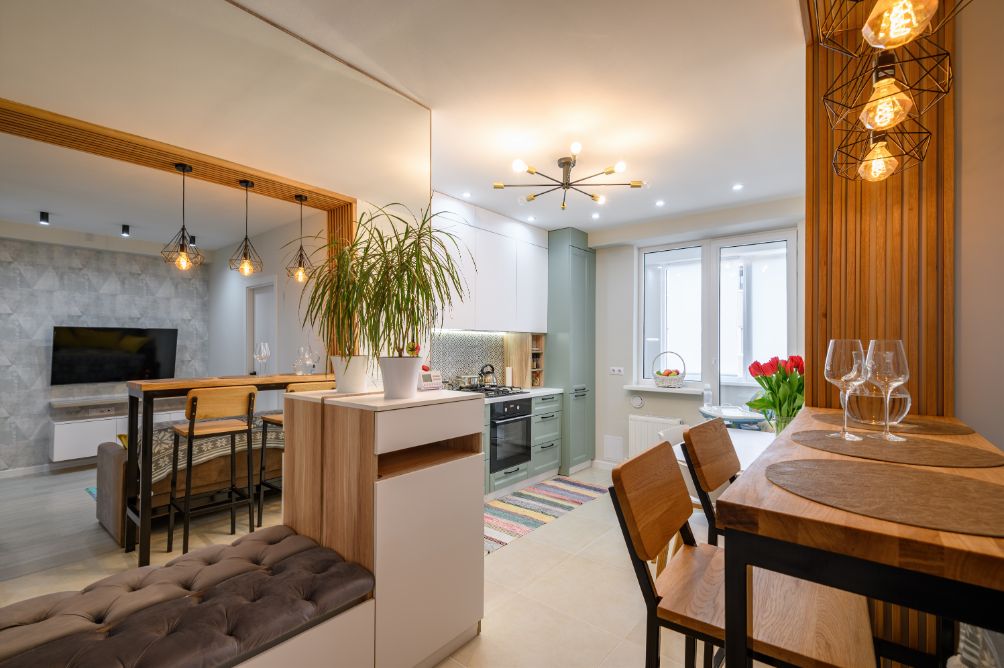
Instead, use multiple light sources at different heights. A floor lamp in the corner. A small table lamp near the sofa. Under-cabinet lighting in the kitchen if you’ve got one. Even LED strips behind furniture – yes, that can actually work if it’s subtle and warm.
The warmth of the bulb matters too. Go for 2700K to 3000K – that’s the warm white range. Cooler light (above 4000K) makes small spaces feel sterile and smaller.
What About Furniture – Does It Play Into This ?
Technically this isn’t about color and light, but it’s impossible to separate them completely. Dark, heavy furniture absorbs light. It visually shrinks the room. If you’ve got a massive dark leather sofa in a 25m² apartment, no amount of white paint is going to save you.
Choose furniture in lighter tones, or at least furniture with visible legs (the floor visible beneath a piece of furniture makes the room breathe). Glass and acrylic work too – they don’t interrupt the visual flow.
And keep it minimal. I know “minimal” sounds like an aesthetic choice, but in a small apartment, it’s almost a functional requirement. Every extra object is something for the eye to stop at. Give the eye fewer stops and the room feels more open.
One More Thing – The Ceiling Is Underrated
Most people paint the ceiling white by default and forget about it. But if your apartment has a standard low ceiling, consider painting it the same color as your walls – or even slightly lighter. A ceiling that blends with the walls removes the hard edge where wall meets ceiling, which makes the room feel taller. It’s a small thing. It sounds almost too simple. But it works.
Alternatively, some designers go the other direction – painting the ceiling a darker, moody color to make it feel intentional and cozy rather than just small. That’s more of a bold call. I’d try it in a bedroom before anywhere else.
So, Where Do You Start ?
If I had to give one prioritized list, it’d be this :
1. Maximize natural light – unblock windows, hang curtains high and wide.
2. Choose a warm, unified color palette – one dominant tone family throughout.
3. Add a large mirror opposite or adjacent to a natural light source.
4. Layer your artificial lighting – warm bulbs, multiple sources.
5. Choose light-toned, leg-visible furniture and keep clutter to a minimum.
None of these require a renovation. Most of them are decisions you can make this weekend.
A small apartment doesn’t have to feel small. Sometimes it just needs the right light hitting the right walls.